Incident
United States Senate panel subpoenas dozens of New York Times journalists over Communist ties
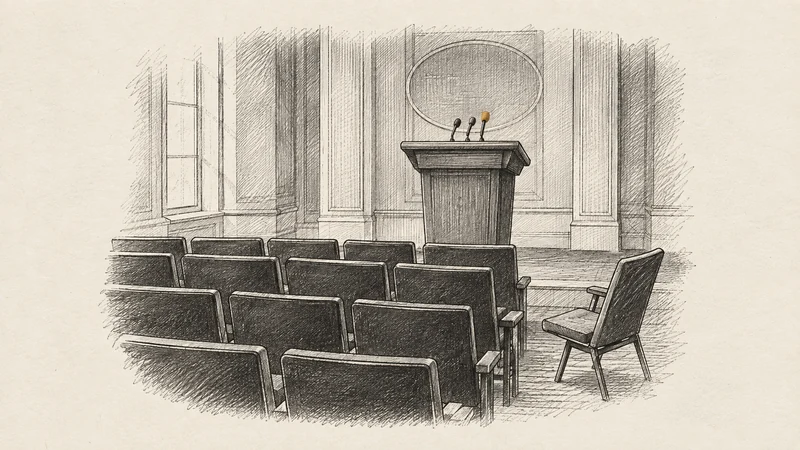
The Senate Internal Security Subcommittee, led by Senator James Eastland, issued 35 subpoenas over past or present Communist Party ties in the press, and 26 of them went to New York Times staff. The newspaper protested but several employees who would not answer were fired or forced to resign.123
What happened
The Senate Internal Security Subcommittee, a Senate panel investigating Communist Party influence chaired by Senator James Eastland of Mississippi, issued a wave of subpoenas in November 1955 for closed hearings on Communism in the press, radio and television industries. Of 35 subpoenas issued, 26 went to past or present employees of The New York Times. The newspaper's own editorial page said the investigation appeared aimed squarely at the paper, while also saying it did not believe in permanent guilt and thought employees could make up for past association with the Communist Party through good work. Even so, several Times staff members who indicated they would invoke their Fifth Amendment right against self-incrimination rather than answer the subcommittee's questions were dismissed or pressured to resign before or after testifying, including one employee let go before the hearings even began. Other newspapers, including the New York Daily News and the Hearst-owned Daily Mirror, fired staff members in the same way.123
What reason was given
Stated justificationThe Senate Internal Security Subcommittee said it was investigating Communist Party influence within newsrooms, and its subpoenas asked witnesses about past or present party membership.2
What changed for reporting
Journalists at The New York Times and other papers who would not answer the subcommittee's questions about Communist Party ties were fired or pressured into resigning, a pattern that spread to other newsrooms during the hearings.3
Timeline
1955
Who acted
| Name | Role in this incident | Office at the time |
|---|---|---|
| Dwight D. Eisenhower | other | President of the United States |
| James O. Eastland | enforced | United States Senator, chair of the Senate Internal Security Subcommittee |
Outlets and journalists
| Name | Kind | Relation |
|---|---|---|
| The New York Times | outlet | affected |
Sources
Claims and evidence
Each numbered claim quotes the source it rests on.
- The Senate Internal Security Subcommittee issued 35 subpoenas for secret hearings on Communism in the press, radio and television, and 26 of them went to past or present New York Times employees.
Of 35 subpoenas to secret hearings by the Internal Security Subcommittee, 26 went to past or present employees of the New York Times.
The Press: Eastland v. the Times, Time, 1956-11-26.Claim 126, checked 2026-09-22. - The New York Times said in an editorial that the Eastland subcommittee's investigation appeared aimed with particular emphasis at the paper.
It seems to us quite obvious that the Eastland investigation has been aimed with particular emphasis at the New York Times
The Press: Eastland v. the Times, Time, 1956-11-26.Claim 127, checked 2026-09-22. - At least one Times employee was dismissed before the hearings even started once he indicated he would invoke the Fifth Amendment rather than answer the subcommittee.
the Times fired him before the hearings started, when he indicated that he would duck behind the Fifth
The Press: Eastland v. the Times, Time, 1956-11-26.Claim 128, checked 2026-09-22.